
Municipal Cleaning Vehicle (MCV)
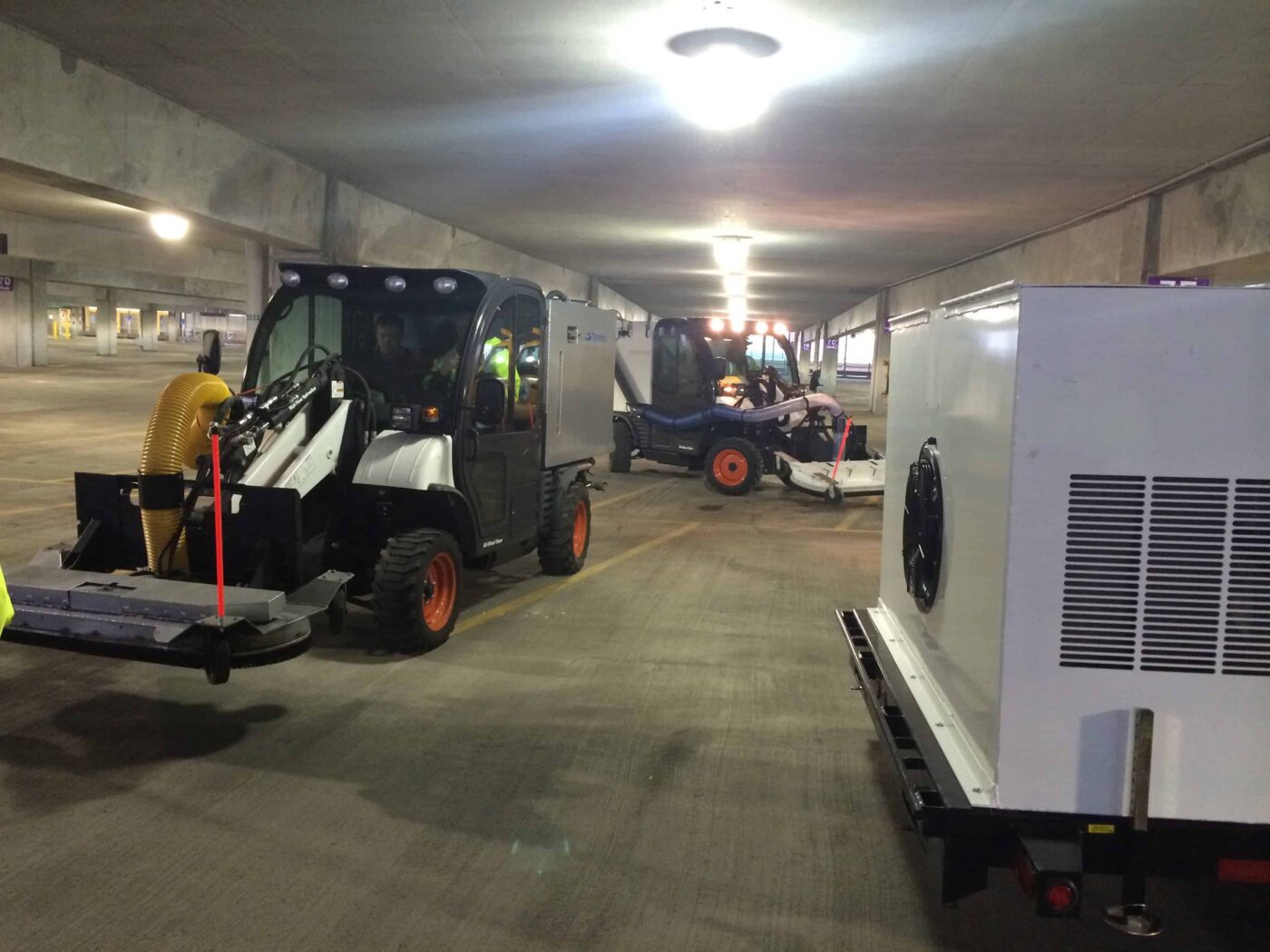
Compact Power. Maximum Productivity.
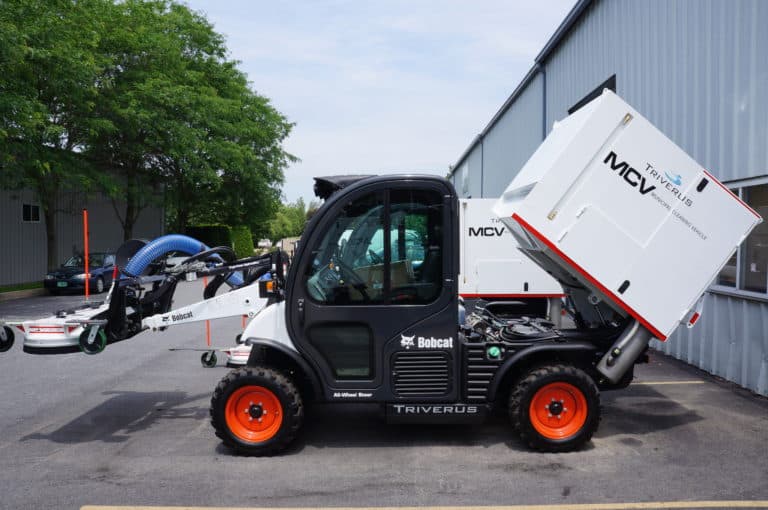
The Triverus Municipal Cleaning Vehicle (MCV) is a purpose-built surface maintenance machine engineered for pervious pavement, parking facility, and municipal cleaning. Built on a proven commercial platform with the widest 60-inch cleaning deck in its class, the MCV combines high-pressure water spray with simultaneous vacuum recovery to capture contaminated water and debris in a single pass — without chemicals, without runoff, and without surface damage.
The MCV is built on the same MCRRS cleaning and recovery technology proven in government-sponsored testing to remove and contain more fine and coarse solids from underlying surfaces than any mechanical sweeping or low-pressure spray and brush system. Developed through U.S. Navy SBIR partnership, the MCV’s Clean Loop® water recovery system dramatically reduces water consumption and eliminates on-site wastewater discharge — supporting NPDES MS4 compliance and stormwater pollution prevention requirements across municipal, commercial, and government installations.
MCV Specification Sheet
Key Features
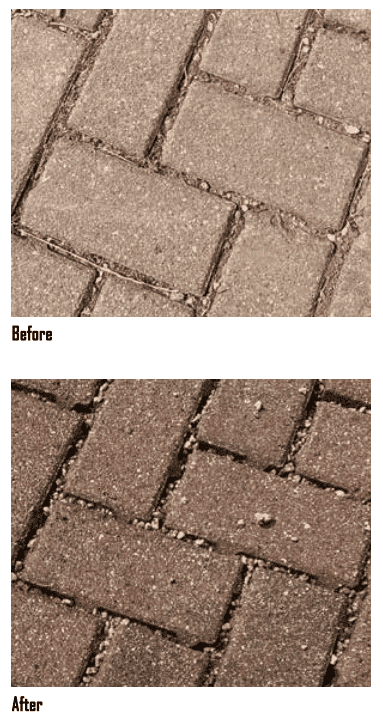
Restore Infiltration. Prevent Clogging. Protect Stormwater Infrastructure.
Pervious pavement systems lose infiltration capacity as pores become clogged with organic material, sediment, tire wear particles, and fine aggregate. The MCV is purpose-built to restore these systems through periodic maintenance cleaning that cannot be replicated by conventional sweepers or pressure washers.
All-Steer Maneuverability for Complex Facility Environments
Parking decks, surface lots, and urban facilities present tight turning areas, pillars, curbs, and complex lane configurations that demand compact, maneuverable cleaning equipment. The MCV’s sub-9-foot turning radius and three steering modes allow it to clean areas inaccessible to larger equipment — while its on-board recovery system captures all wash water to prevent stormwater discharge.
GSA-Contracted Cleaning for Runways, Hangars, and Federal Facilities
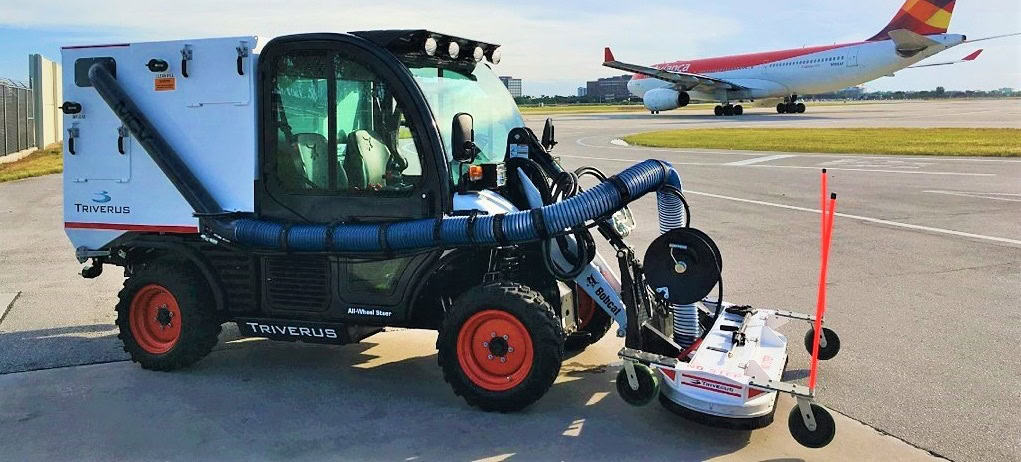
The MCV is available through GSA contract #47QMCA18D000Q, making it the direct procurement choice for federal agencies and airport authorities. From runway FOD removal to hangar floor maintenance and apron cleaning, the MCV’s Navy-heritage technology delivers the performance and environmental documentation government procurement demands.
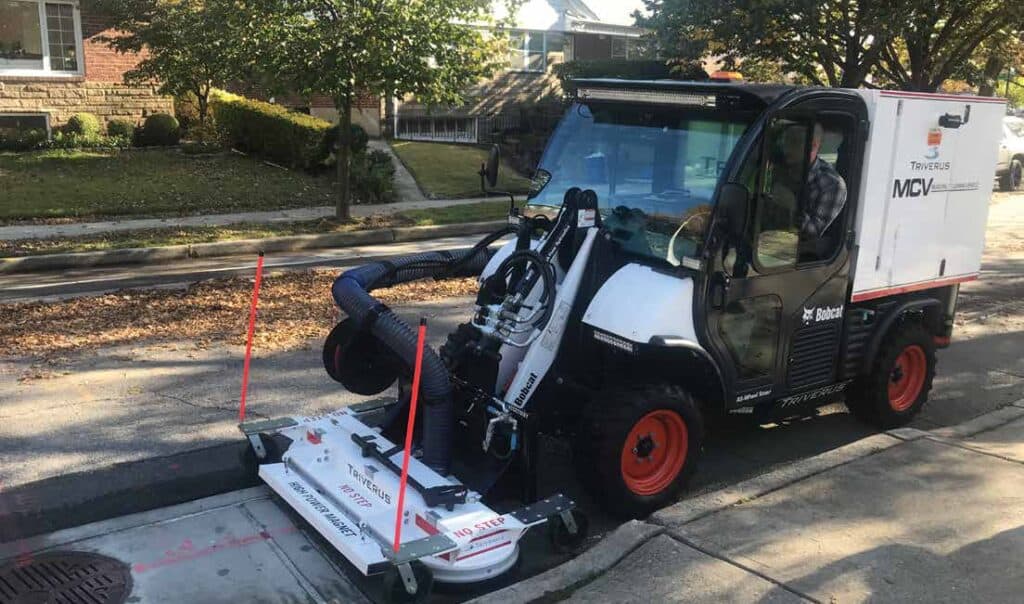
One Machine. One Pass. Complete Surface Cleaning.
A pressurized water spray attacks surface contamination beneath the 60-inch cleaning deck while multiple vacuum fans simultaneously recover the water and dislodged debris — creating a contained cleaning environment that captures what other methods leave behind. The Clean Loop® system then clarifies recovered water for continued use throughout the shift.
University of New Hampshire Stormwater Center — 2019
In 2019, the University of New Hampshire Stormwater Center conducted independent testing of the Triverus MCV on a clogged pervious concrete parking lot. Starting from a surface with only 3% infiltration retention, one pass with the MCV restored the site to 94% — results unmatched by any other cleaning method evaluated.
The test documented removal of accumulated heavy metals (copper, zinc, lead), organic material, and tire wear residue. Approximately 150 pounds of solids were captured in a single cleaning, with projections indicating 350 pounds annually from consistent maintenance.
See the MCV in Action
Frequently Asked Questions
How often should pervious pavement be cleaned with the MCV?
Cleaning frequency depends on surface type, traffic volume, and local conditions such as organic matter accumulation and tree cover. Most pervious pavement installations benefit from annual cleaning at minimum, with more frequent service in high-use or heavily vegetated areas. Triverus recommends a site assessment to determine the optimal maintenance schedule for each installation.
Does MCV cleaning damage the pervious pavement surface?
No. The MCV uses low-pressure water application below 150 PSI combined with vacuum recovery — a gentler process than the surface withstands from normal traffic and freeze-thaw cycles. Unlike high-pressure power washing, which can dislodge aggregate and damage porous structure, the MCV’s approach is specifically engineered to preserve the surface while removing clogging material.
Is the MCV available for purchase or only as a service vehicle?
The MCV is available for direct purchase, including through GSA Advantage (contract #47QMCA18D000Q) for eligible government agencies. Triverus also provides fully staffed cleaning services for organizations that prefer to outsource surface maintenance. Contact Triverus to discuss which option fits your operational model.
What happens to the contaminated water and debris the MCV collects?
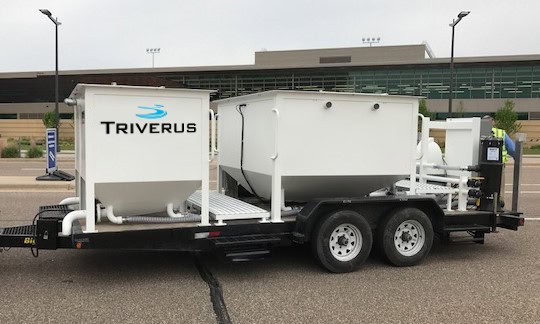
The MCV’s on-board solids classification system separates debris into a solid fraction (debris hopper) and a liquid fraction (water tank). The Clean Loop® process clarifies the liquid for reuse in continued cleaning. After a shift, solid debris is removed and disposed of appropriately. For large operations, the Triverus Water Treatment Trailer (WTT) can process recovered water on-site, extending operational range without water resupply stops.
Can the MCV support NPDES stormwater permit compliance?
Yes. The MCV’s zero-discharge cleaning process — all wash water captured, no runoff entering storm drains — directly supports NPDES MS4 permit requirements. UNH Stormwater Center testing documents the MCV’s effectiveness in removing pollutant loads (sediment, heavy metals, organic material). Triverus can provide testing documentation to support your stormwater management plan.