
Pervious Pavement Maintenance
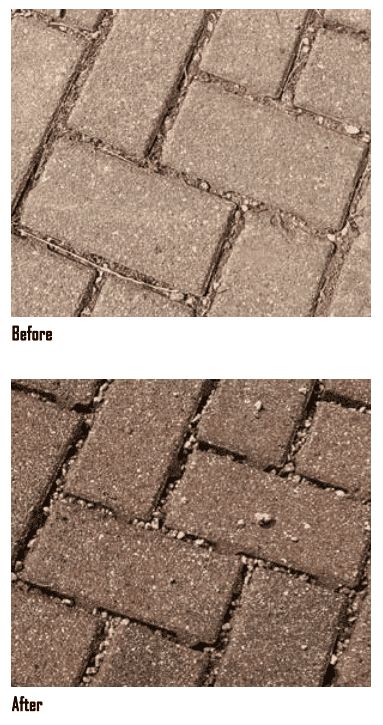
How Pervious Pavement Clogs and Fails
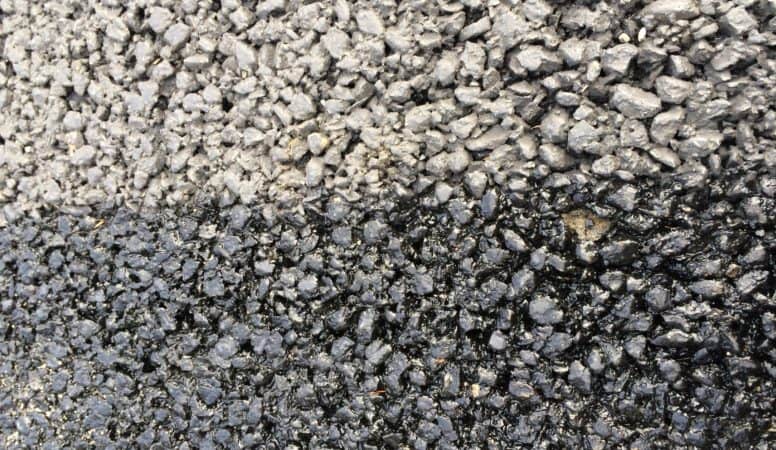
Foreign material and organic deposits — leaves, dust, pine needles — accumulate on pervious pavement surfaces and form a macro-plugging layer that prevents water from penetrating the porous structure. Without removal, this surface-level blockage degrades into the voids beneath, progressively eliminating the pavement’s infiltration function.
A clogged pervious surface produces the exact stormwater problems it was installed to prevent: increased runoff, reduced groundwater recharge, and pollutant loading in storm drains and waterways. Moss growth, surface spalling, and structural damage follow over time. Pervious pavement clogs from the top down — and must be cleaned from the top down to be restored.
Uncontrolled industrial storm water runoff discharges oil, grease, silt, and toxic substances into our waterways. Even small concentrations of polluted runoff are bad for fish and other aquatic life. Copper and zinc, which are commonly found in industrial runoff, are harmful to salmon and other aquatic life, even at relatively low concentrations.
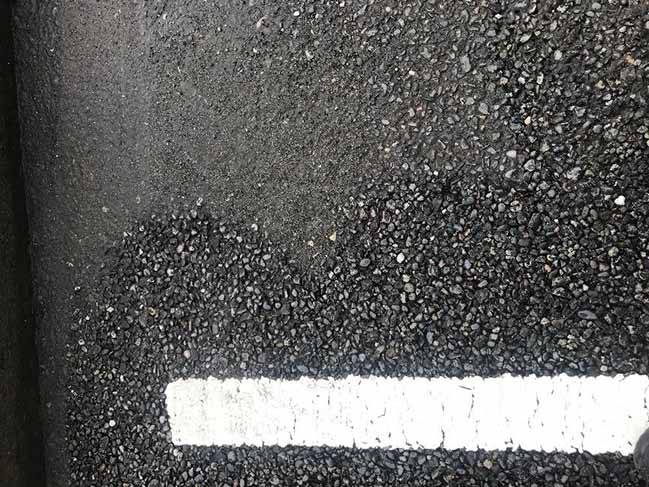
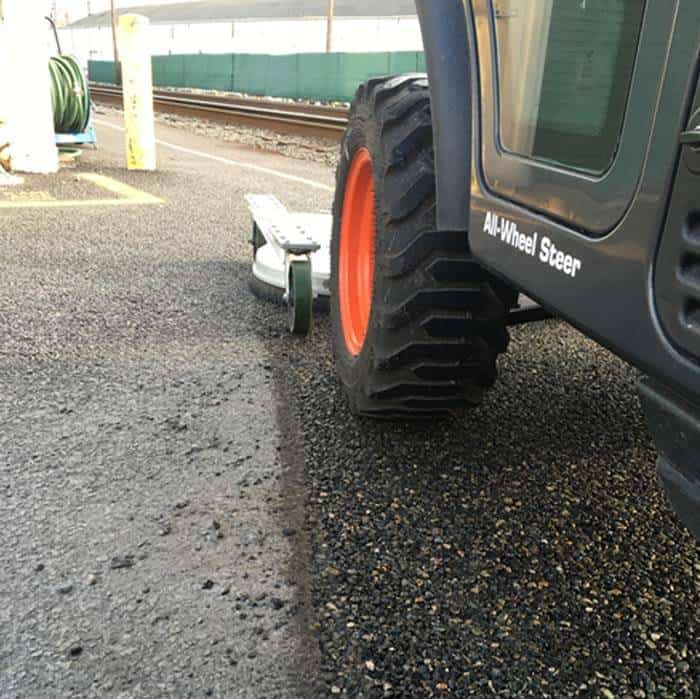
Sweeping, Vacuuming, and High-Pressure Recovery
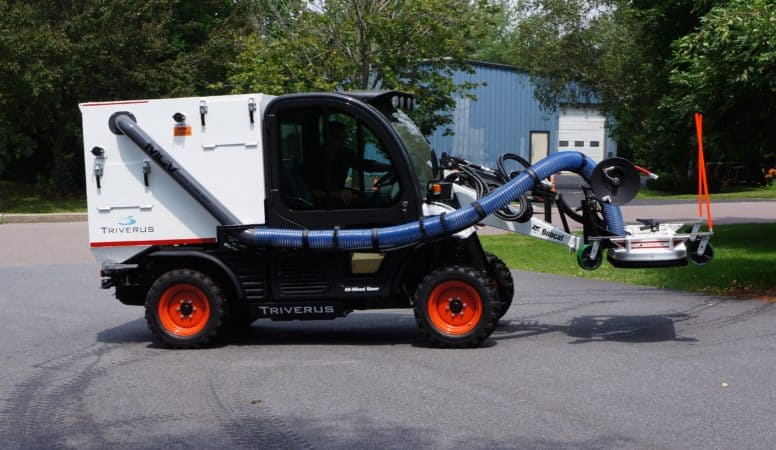
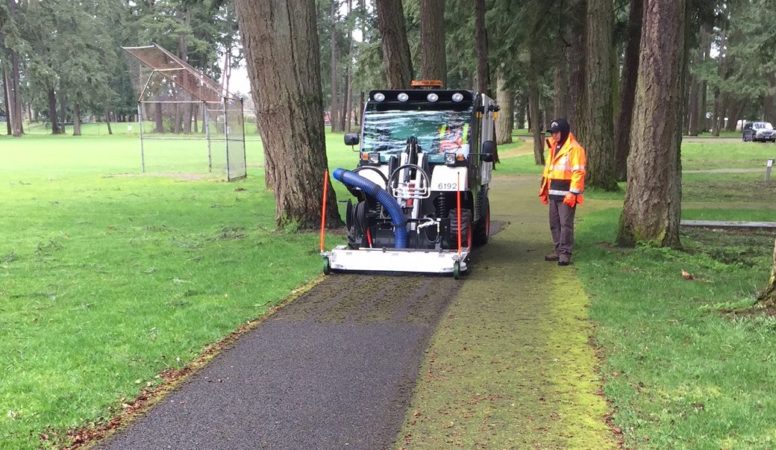
Effective pervious pavement maintenance combines blowing and surface sweeping with vacuum-assisted high-pressure water jet cleaning to remove accumulated material from both the surface and within the porous structure. Unlike conventional street sweepers that only move superficial debris, the Triverus MCV simultaneously lifts, recovers, and contains all fine solids — including those chemically adhered to the pavement surface.
Routine maintenance performed two to four times per year prevents the need for deep restoration. When restoration is required — typically when infiltration rates fall below 100 in./hr. or drop more than 25% from baseline — the MCV can recover even heavily neglected surfaces with as little as 3 in./hr. back to full functional performance.
What You Need to Know About Pervious Pavement Maintenance
| Fiction | Fact |
|---|---|
| Pervious parking lots and sidewalks can be maintained just like conventional non-pervious surfaces. | Pervious pavement requires specific maintenance that differs from conventional maintenance to perform properly. |
| Pervious pavement can become so clogged that replacement is the only option to restore function. | Almost all intact pervious surfaces can be restored to full percolation functionality. |
| Routine maintenance of pervious pavement is expensive. | Routine maintenance is affordable and far less expensive than total restoration or replacement. |
| Maintenance is time intensive and causes significant facility downtime. | Routine maintenance can be performed quickly with minimal downtime — far less than total restoration. |
| Pervious pavement cannot be maintained in freezing temperatures. | Pervious pavement can be maintained and perform in freezing temperatures with proper snow and ice management. |
| Pervious pavement clogs from the bottom up. | Pervious pavement clogs from the top down — organic and inorganic deposits break down on the surface and progressively fill the voids beneath. |
What to Look for on Your Pervious Surfaces
Spalling
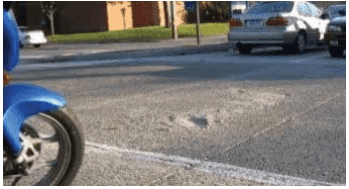
Caused by winter salt applications combined with freeze-thaw cycles beneath the surface. The surface pops out, peels, or flakes off, compromising porous structure and creating safety hazards. Clogging that traps water in pores accelerates damage.
Remedy: Repair affected areas; eliminate salt use in winter months. Perform deep cleaning before cold weather to prevent water retention in clogged pores. A properly maintained, freely-draining surface does not develop ice and does not need salt.
Moss Growth
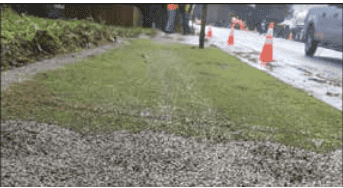
Moss grows when clogged pores prevent drainage, keeping the surface wet. Temperate, high-rainfall areas like the Pacific Northwest are most vulnerable. Moss both contributes to and accelerates clogging, and creates extreme slip hazards.
Remedy: Remove organic and inorganic deposits through aggressive pressure washing and vacuuming. Apply baking soda to the surface and vacuum within one to two weeks. Limewater applications control regrowth.
Puddling
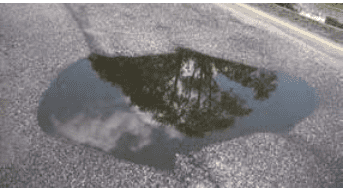
Puddling occurs when clogged pores reduce or eliminate surface permeability. Water that previously drained through the surface now sits on top, indicating the pavement has lost its primary stormwater management function.
Remedy: Conduct an infiltration rate test using ASTM C1701. Remove organic and inorganic deposits through aggressive pressure washing and vacuuming. Routine cleaning prevents puddling from developing.
Organic Deposits
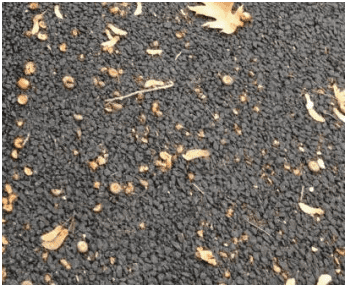
Organic deposits such as leaves, pine cones, and pine needles, collecting on pervious surfaces is normal.
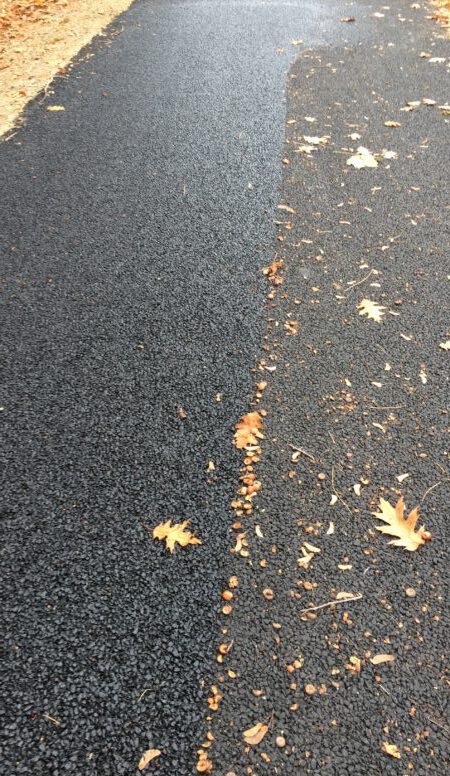
Remedy: Consistent, immediate cleaning will help prevent the need for deep cleaning or full restoration. Cleaning with a blower (leaf blower or similar equipment), truck-sweeping, dry vacuuming, and/or vacuum sweeper fitted with water jets.
Landscaping Runoff
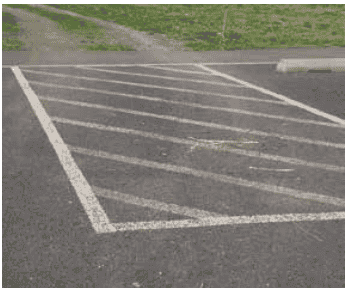
Mulch, dirt, or grass can be deposited from upland or adjacent grassy areas that have loose soil or improper water flow. This is also caused by “track on/track off” deposits left by vehicles or workers leaving nearby worksites and travelling across the pervious pavement.
Remedy:
- Maintain upland and adjacent grassy areas
- Seed upland and adjacent bare areas
- Excessive water flow carrying debris toward the pavement should be diverted
- Minimize “Track on/track off” deposits
Gallery
Frequently Asked Questions
What happens to pollutants collected during pervious pavement cleaning?
The Triverus high-pressure wash system simultaneously lifts, recovers, and contains all fine solids and pollutants — including those chemically adhered to the surface. This includes oil and gas residue, copper, zinc, tire wear residue (6PPD), and phosphates. Collected materials should be disposed of in the same manner as material recovered by standard street sweepers per local regulations.
How does routine maintenance extend pervious pavement lifespan?
Pervious pavement clogs from the top down as organic and inorganic deposits physically break down on the surface. Gravity and water transport this material into the porous voids, gradually filling them. Routine, seasonal maintenance removes these deposits before they degrade and migrate deeper, extending the time between major restoration events or eliminating the need for total restoration entirely.
Can pervious pavement be maintained in cold or freezing climates?
Yes. Because the MCV uses water in the cleaning process, maintenance should take place when temperatures are above freezing. Pervious pavement damage is most common after clogging occurs — water trapped in blocked pores expands during freeze-thaw cycles, causing surface raveling. Preventing saturation before winter is the key to long-term performance. Cold, dry winter climates require no special precautions; climates with wet winters require surface preparation before and after winter to ensure permeability is maintained.
Why does moss grow on pervious pavement and how is it treated?
Moss grows when clogged pores prevent drainage, keeping the surface continuously wet. In temperate, high-rainfall regions like the Pacific Northwest, moss is a common indicator of inadequate maintenance. Moss both contributes to and accelerates clogging, and presents an extreme slip hazard. The cure is removing the clogging material: aggressive pressure washing and vacuuming, followed by limewater application to control regrowth.
What is spalling and can it be prevented?
Spalling happens when salt applications combined with freeze-thaw cycles cause the pervious surface to pop out, peel, or flake. When maintained properly, salt application should not be needed — a pervious surface that drains as designed does not develop ice. Deep cleaning before freezing temperatures is important. If spalling occurs, the affected area must be repaired to prevent further damage.
Why does pervious pavement fail to reduce stormwater runoff?
Pervious pavement is designed to allow water to percolate through the surface rather than run off. When surface pores are clogged, runoff occurs — the pavement behaves like standard impervious pavement, eliminating groundwater recharge and sending pollutants into the storm drain system. Regular cleaning maintains the infiltration function the pavement was installed to deliver.
How does Triverus cleaning reduce stormwater pollution?
The Triverus high-pressure vacuum recovery system captures all fine solids and pollutants including those chemically adhered to the surface — oil and gas, copper, zinc, tire wear residue including 6PPD, and phosphates. These are contained on board and properly disposed of, preventing discharge to stormwater. Unlike conventional sweepers, nothing is left behind or rinsed into storm drains.